January 23, 2026
Nature restoration is taking flight as birds wing their way to our farm
The Big Garden Birdwatch, which takes place this year from January 23rd to 25th, is one of the world’s largest wildlife surveys. While the event, organised by the RSPB, focuses on garden birds, it’s a useful reminder to look at the positive impact on bird life our nature restoration work is already having at Halnaker Hill Farm.
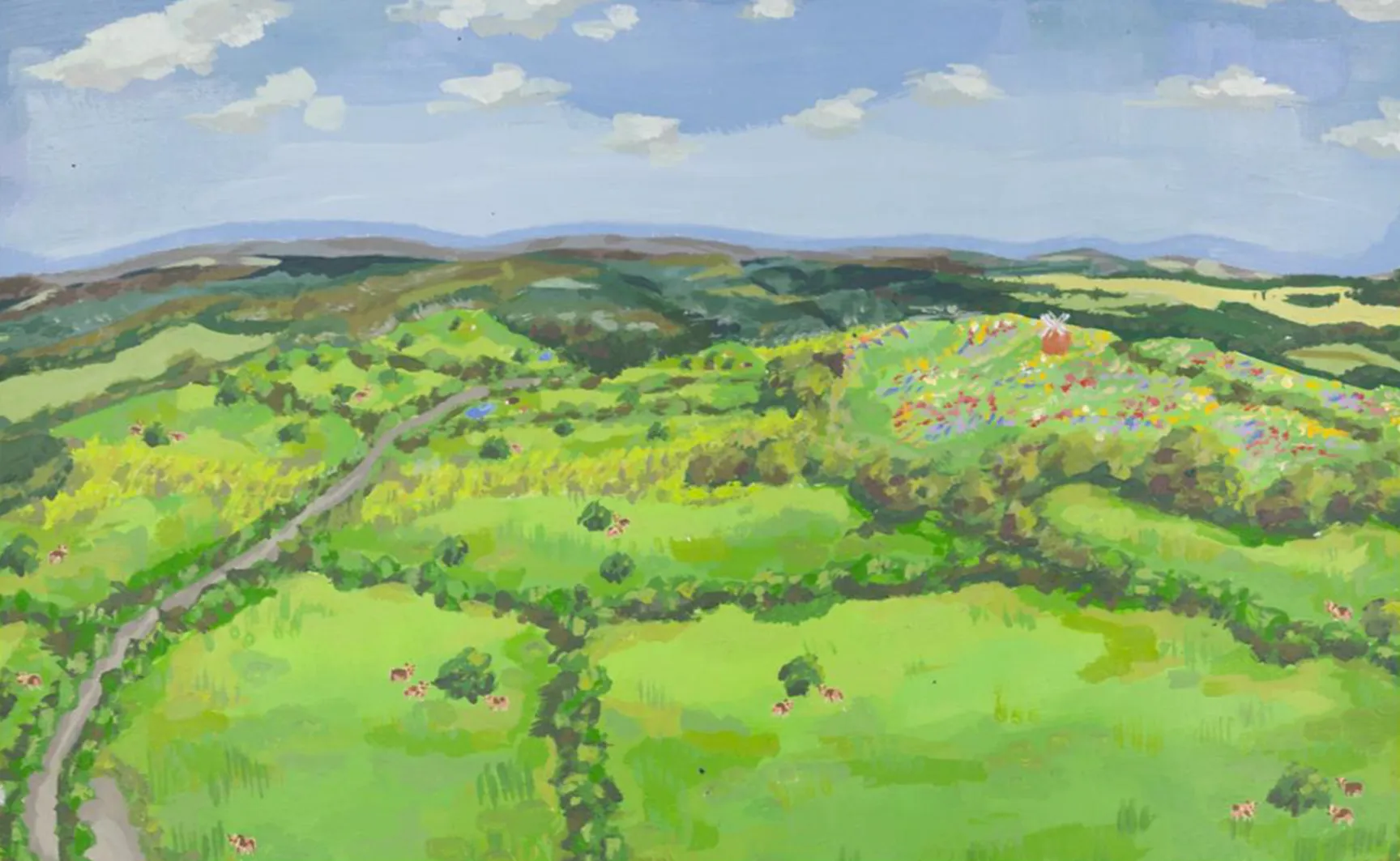
Over the past year, our team has focused on putting in place the ecological building blocks of our project - returning the soil to its natural state, introducing wildflowers from a carefully selected seed bank, and encouraging insect populations across all 330 acres.
Observing bird activity is one of the most helpful ways to understand how effectively those changes are taking hold.
Invertebrates are crucial in encouraging birdlife and as Will Atkinson, Agri-Environment Consultant for our project, explains, we’ve effectively created a rich and reliable food supply for ouravian friends.
“When farmers have an arable field, often they’ll put in a beetle bank, which is usually a thin strip six to 10 metres wide where beetles and invertebrates live,” says Will.
“You could see this farm as one giant beetle bank. It’s a buffet feast for every bird that wants to fly in and out of the area. If you can do it at a large scale like this, you really do see the benefit quite quickly.”
We can already see this approach feeding directly into the return of farmland birds. Corn Buntings, which have declined heavily across the UK, are an important farm bird we’re trying to encourage to return and reappeared within a couple of months of restoration work beginning. It’s encouraging to see that a few breeding pairs are now settled on the site.
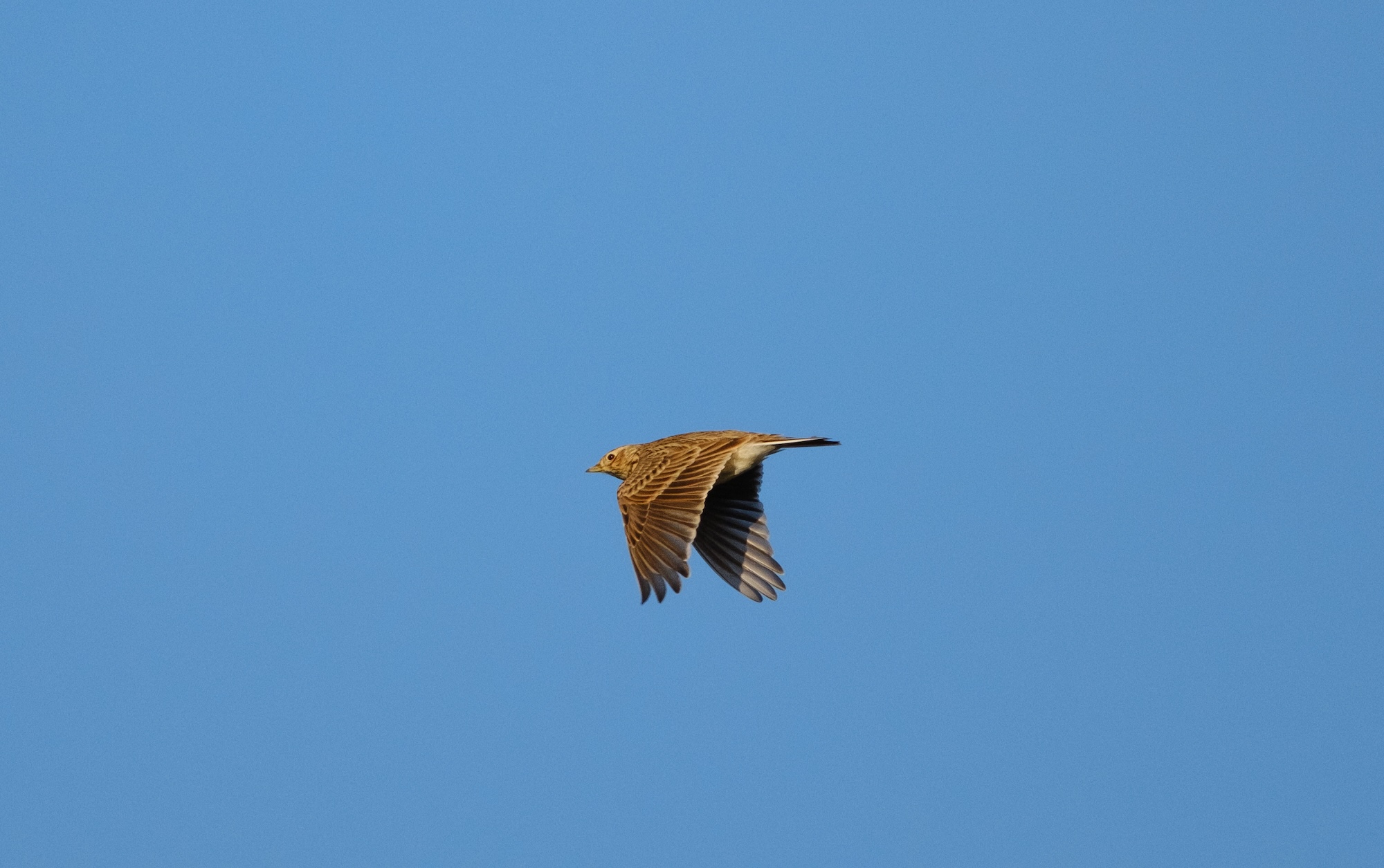
We’ve also seen Nightjars, Yellowhammers, Stonechats, Linnets, and Skylarks up on the hill - all very positive indicators that the birds are loving the conditions we are creating for them.
As well as encouraging birds to return naturally, we’re also giving some a helping hand. Last year, 30 Grey Partridge were reintroduced to the farm by our team. Once known as the native partridge of the UK, numbers of this threatened species have fallen sharply due to the loss of insects and weed seeds in modern farming.
Birds are just one part of the picture in our naturing project that will create 850 Biodiversity Net Gain Units enabling long-term investment in the environment, and involves the planting of 20,000 trees and 7km of hedgerow, the creation of new wildlife corridors and the reintroduction of grazing cattle to the land. But for a reminder of how far we’ve already come and the impact we’re going to make for decades to come, it’s reassuring to know that we can always look to the skies.
Follow Halnaker Hill Farm on LinkedIn and Instagram, or visit halnakerhill.co.uk to learn more about our work, including how to purchase our registered Biodiversity Net Gain (BNG) units.