June 22, 2026
How the awakening of dormant seeds brings new opportunities – and challenges
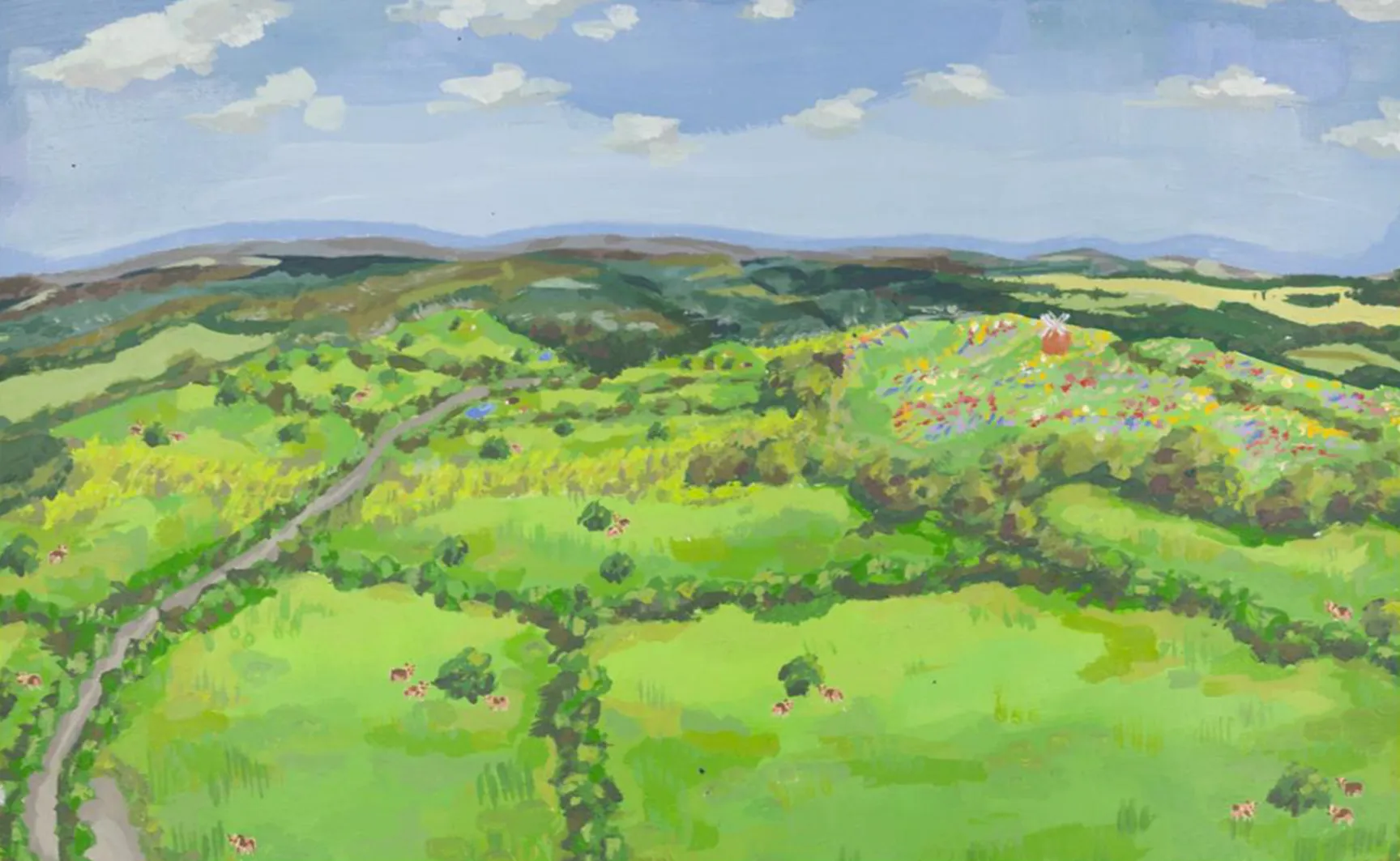
As nature returns to Halnaker Hill Farm, we’re witnessing a remarkable awakening of plant life.
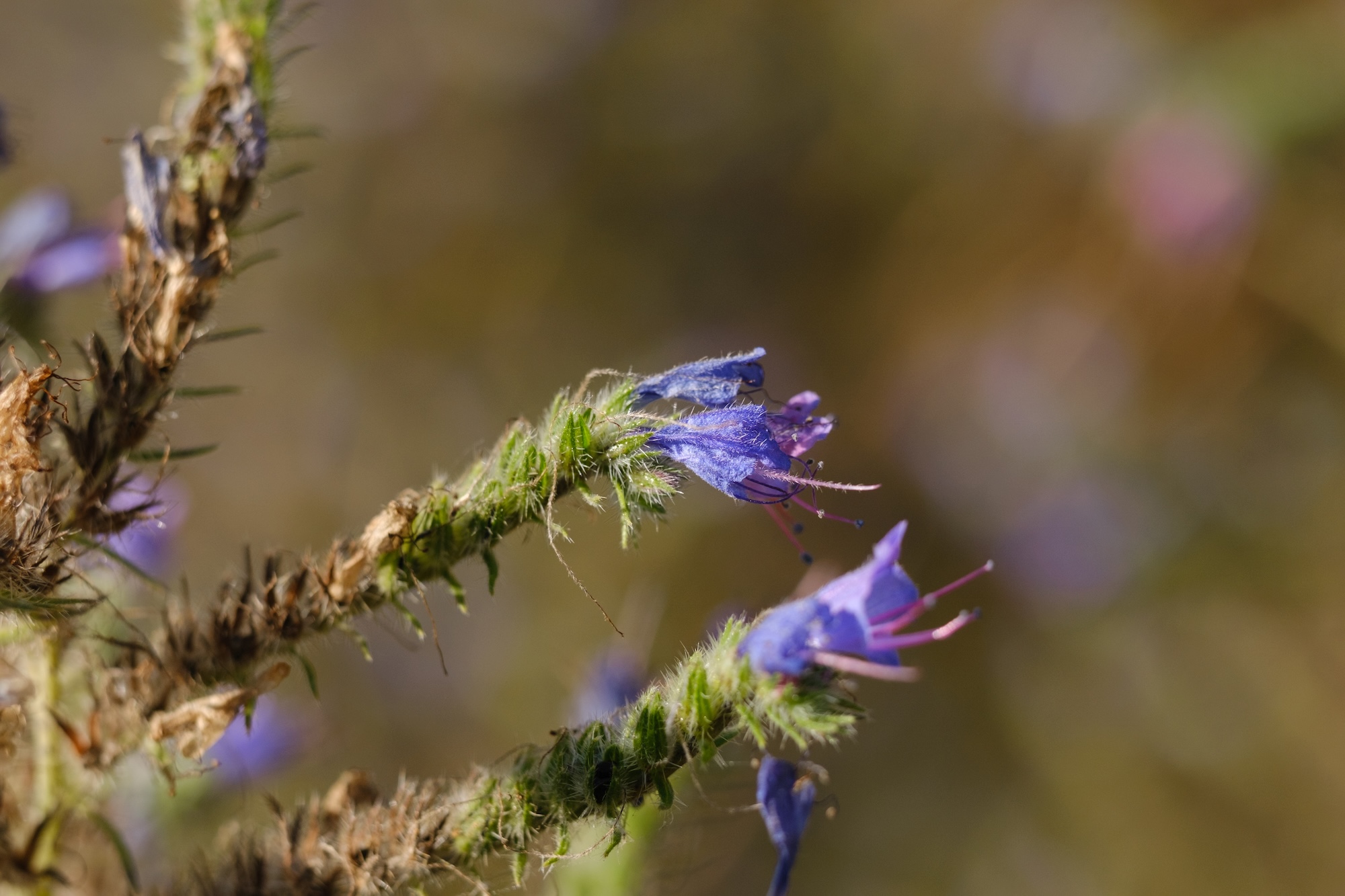
Wildflowers, once suppressed by the chemicals and fertilisers associated with intensive wheat farming, have made a vibrant return as the land has been allowed to regenerate naturally.
Beyond bringing colour back to the landscape, these plants provide an important habitat and food source for bees, butterflies and other insects, helping to support the wider resurgence in biodiversity across the farm.
Some seeds can remain dormant in the soil for many years, only emerging once artificial inputs are removed and natural processes are given the chance to recover.
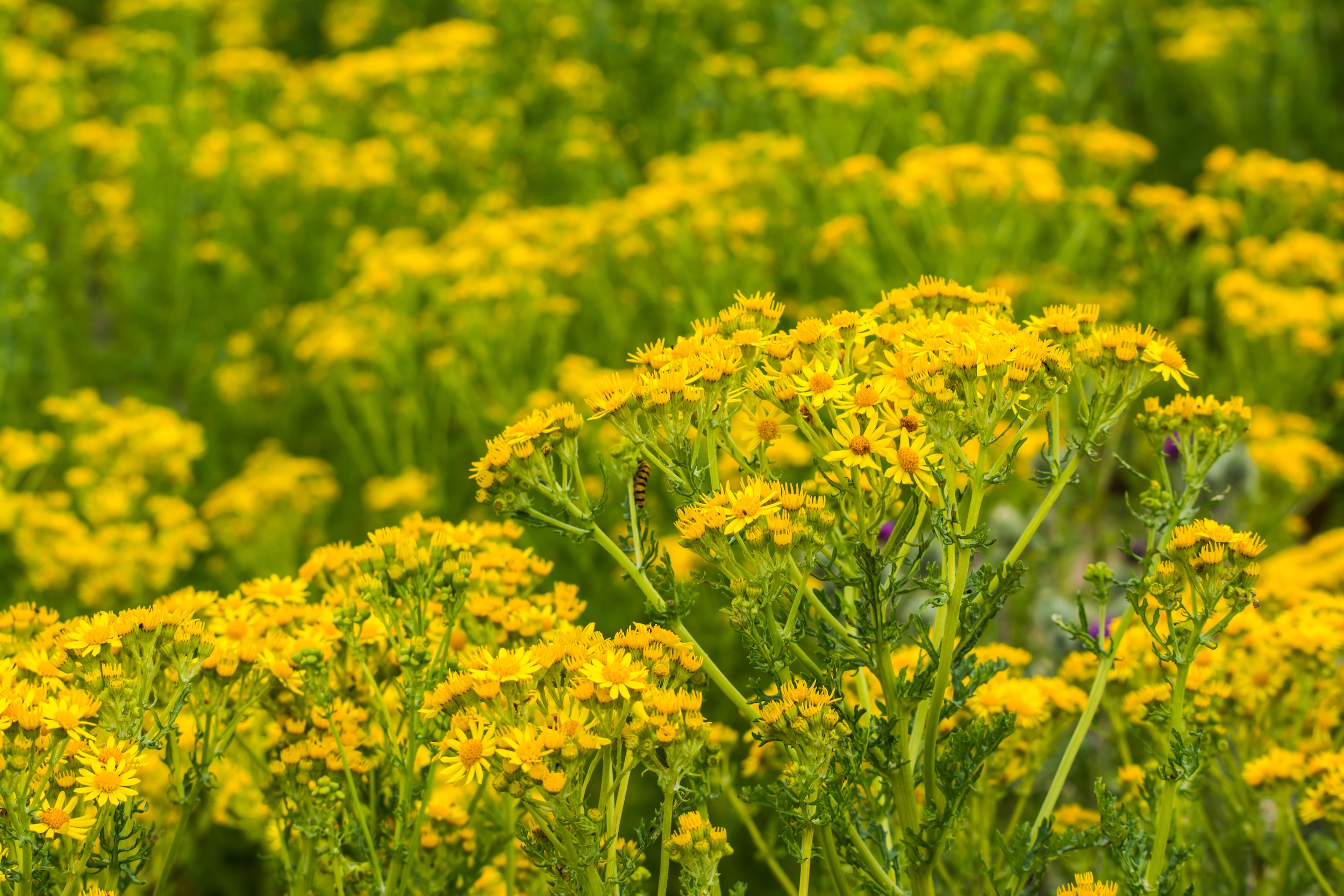
However, not every returning species is straightforward to manage. Ragwort has also returned across parts of the farm. This is capable of lying hidden in the ground for years before conditions allow it to thrive again as part of the wider ecological recovery.
Ragwort presents an interesting challenge. It supports 26 different species of invertebrates and butterflies, making it an important part of the ecosystem, but if left unmanaged it can spread rapidly across the land. An added problem is that this weed is poisonous to cattle and horses, particularly if it finds its way into hay or silage used as animal feed.
Fortunately, nature also provides part of the solution. Sheep are able to graze on ragwort without suffering any ill effects, and they have become a valuable ally in helping us keep the plant under control naturally.
By allowing sheep to graze the hillsides, we can support biodiversity and keep ragwort from taking over. The result is happy wildlife, happy sheep – and happy farmers!