May 8, 2026
Turtle doves: Encouraging the return of an iconic migratory species
Turtle doves have been a symbol of devotion for centuries, but there’s not much to love about the way their population has declined in recent decades.
Numbers of this migratory bird have slumped since the mid-1970s, a change attributed to the loss of wildflower seeds, the turtle dove’s essential breeding food.
Turtle doves that breed in the UK split their time between here and West Africa – a 3,000-mile migration that takes about a month to complete, as they arrive on our shores in April and return each August. Sadly, they have also been hunted along their migration route through Europe, and international efforts are in place to try to stop this happening.
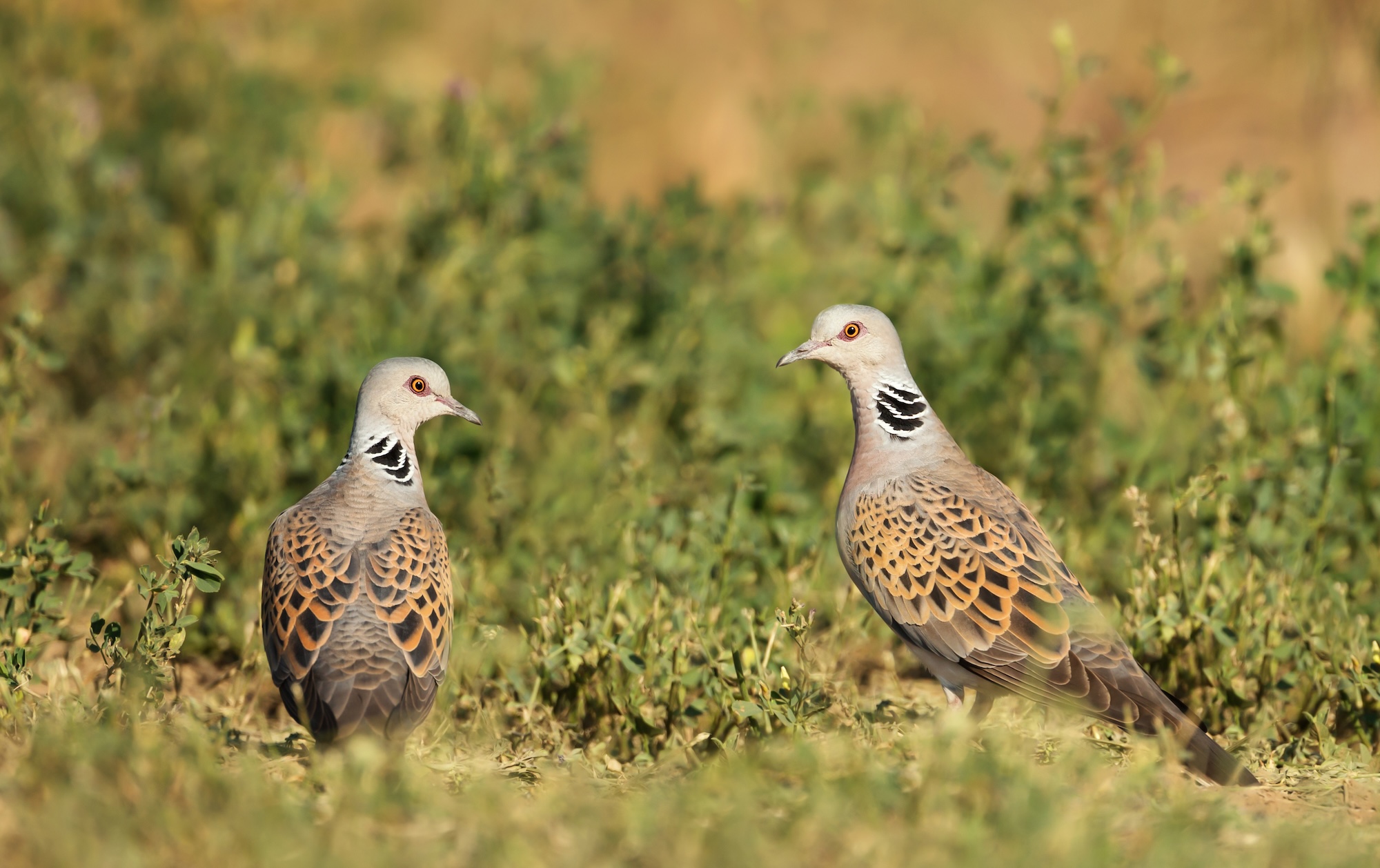
The species, identifiable by its distinctive chestnut and black upper parts and white-edged tail, is on the Birds of Conservation Concern Red List as one of the most endangered birds in the world.
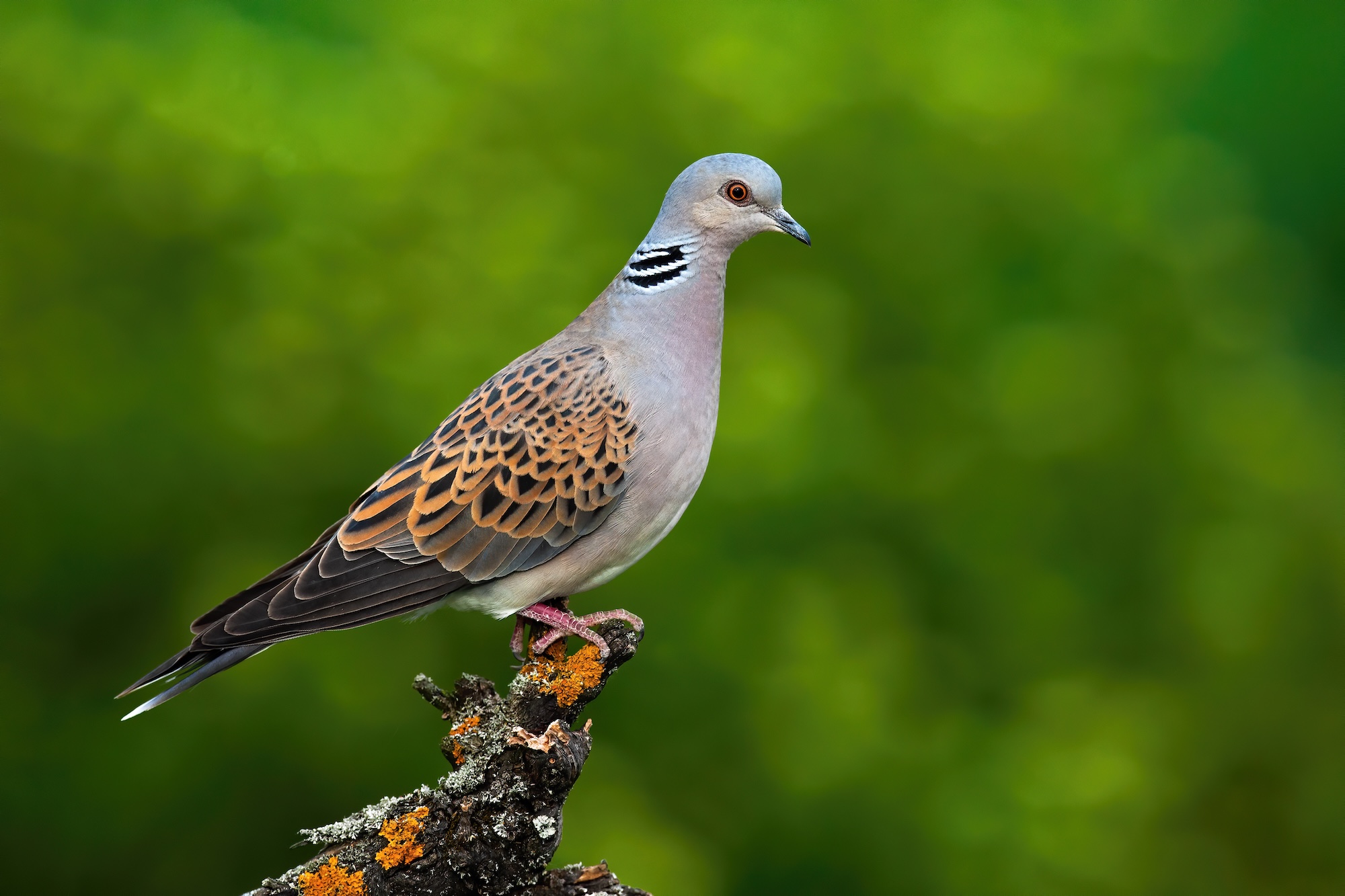
An international project, Operation Turtle Dove, is working to support the return of this species by increasing the availability of suitable foraging and breeding habitat.
We are supporting this work at Halnaker Hill Farm, where we’ve been preparing habitat this year to include dense scrub within 100 metres of water – a combination turtle doves prefer for breeding.
We’re mowing areas around these potential breeding grounds to keep them open. Turtle doves prefer open ground when drinking, as it allows them to see predators approaching and escape if needed.
We’re also scattering small seeds, such as linseed, rape and poppy, along the farm margins.
We’re monitoring progress and are hopeful that, by providing food, water and habitat together, we can help return higher numbers of this species to the UK for good.