November 4, 2025
Farming through the seasons at Halnaker Hill Farm: our first year
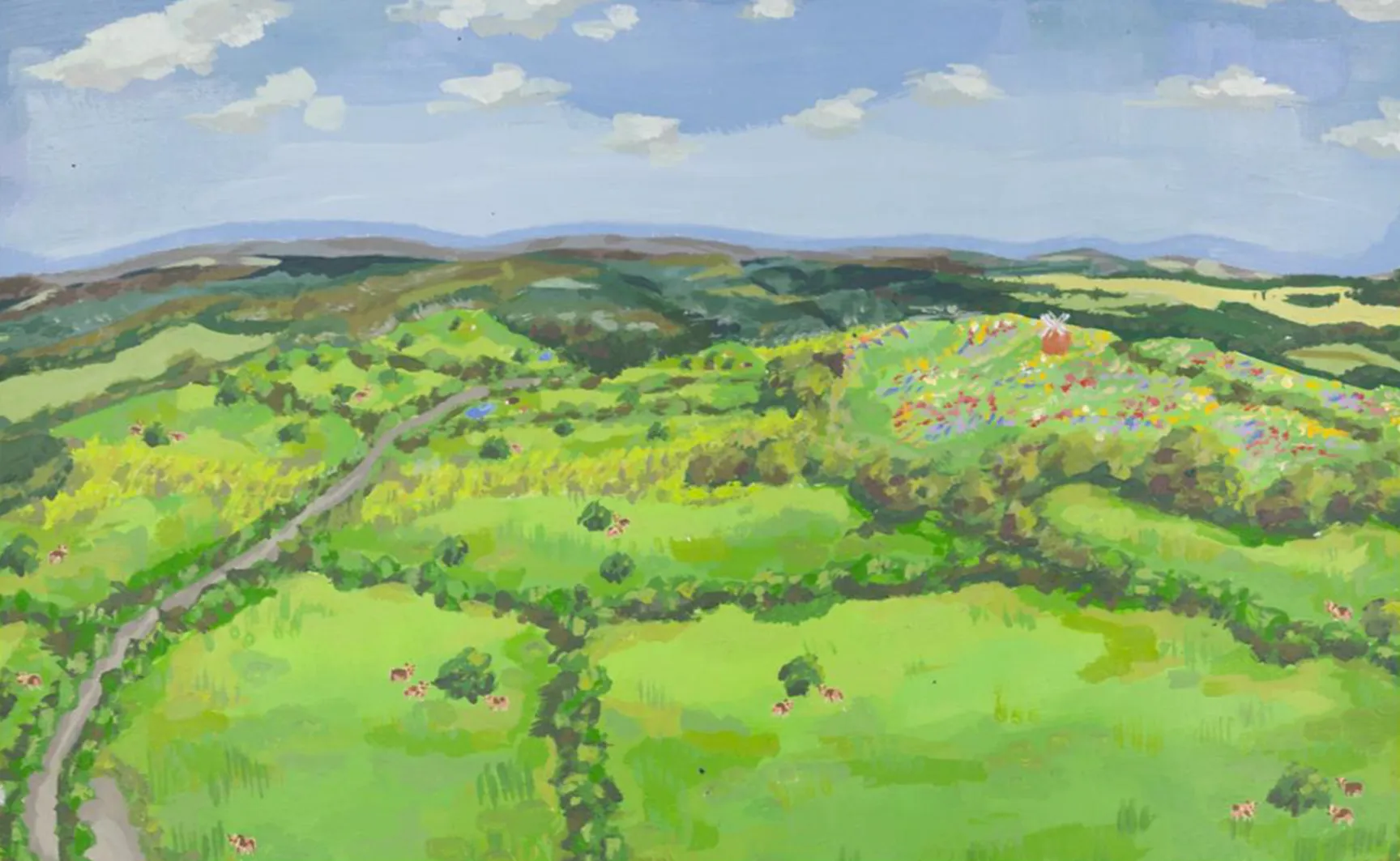
We officially launched Halnaker Hill Farm in June 2025, but work behind the scenes began months earlier. We’ve now had the privilege of watching the land develop over four seasons, observing how our 330 acres respond to extremes of temperature, heavy rain, and more.
Here’s what we’ve learned.
The farm is resilient – rain or shine
After the final harvest in autumn 2024, we had only a brief window to plant before the rains set in. We had a wet winter and by November, we’d drilled our seed mixes and planted thousands of hedges and woodland saplings. The grass came through slowly over the winter, and by spring the fields were greening up well.
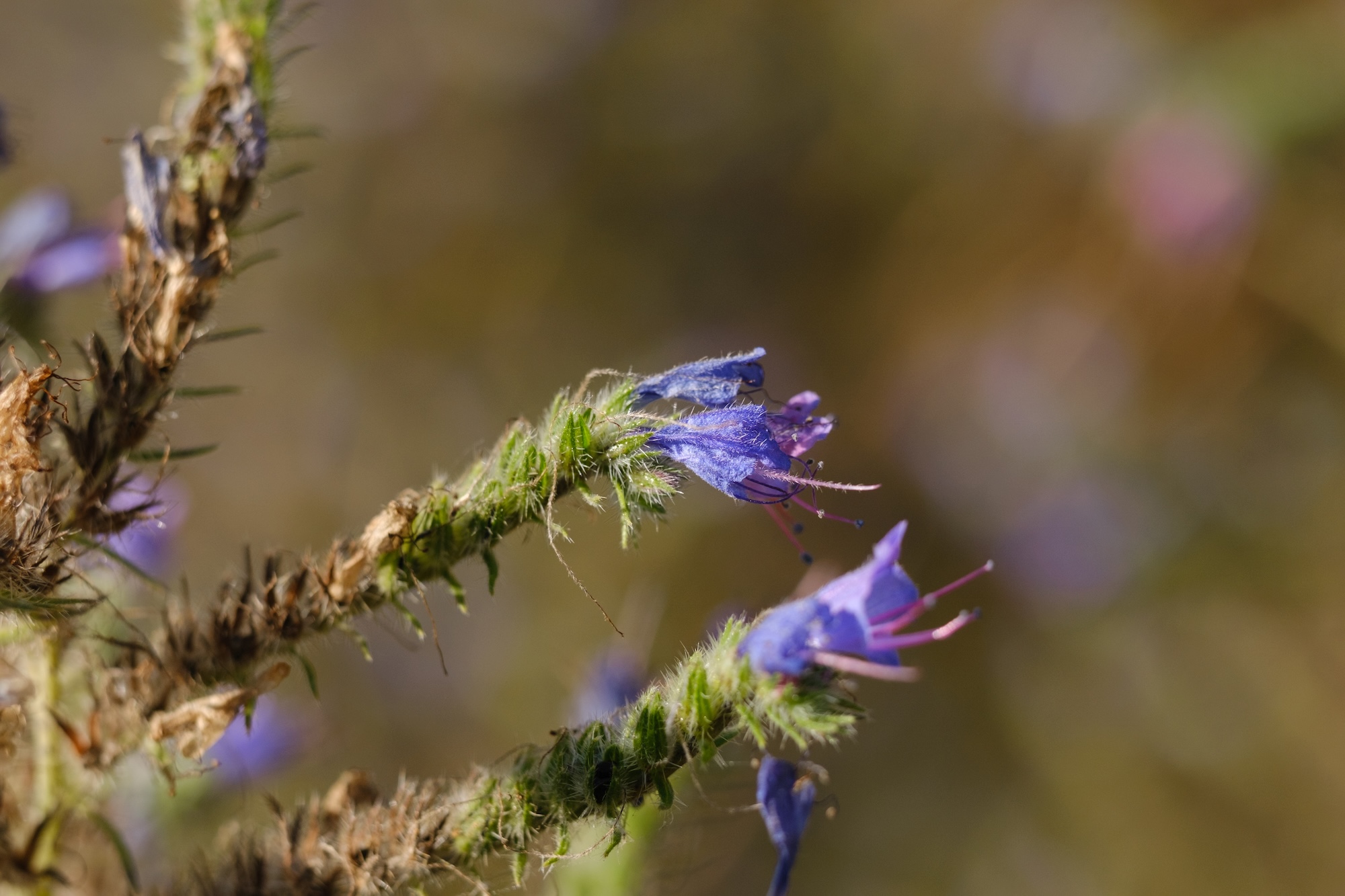
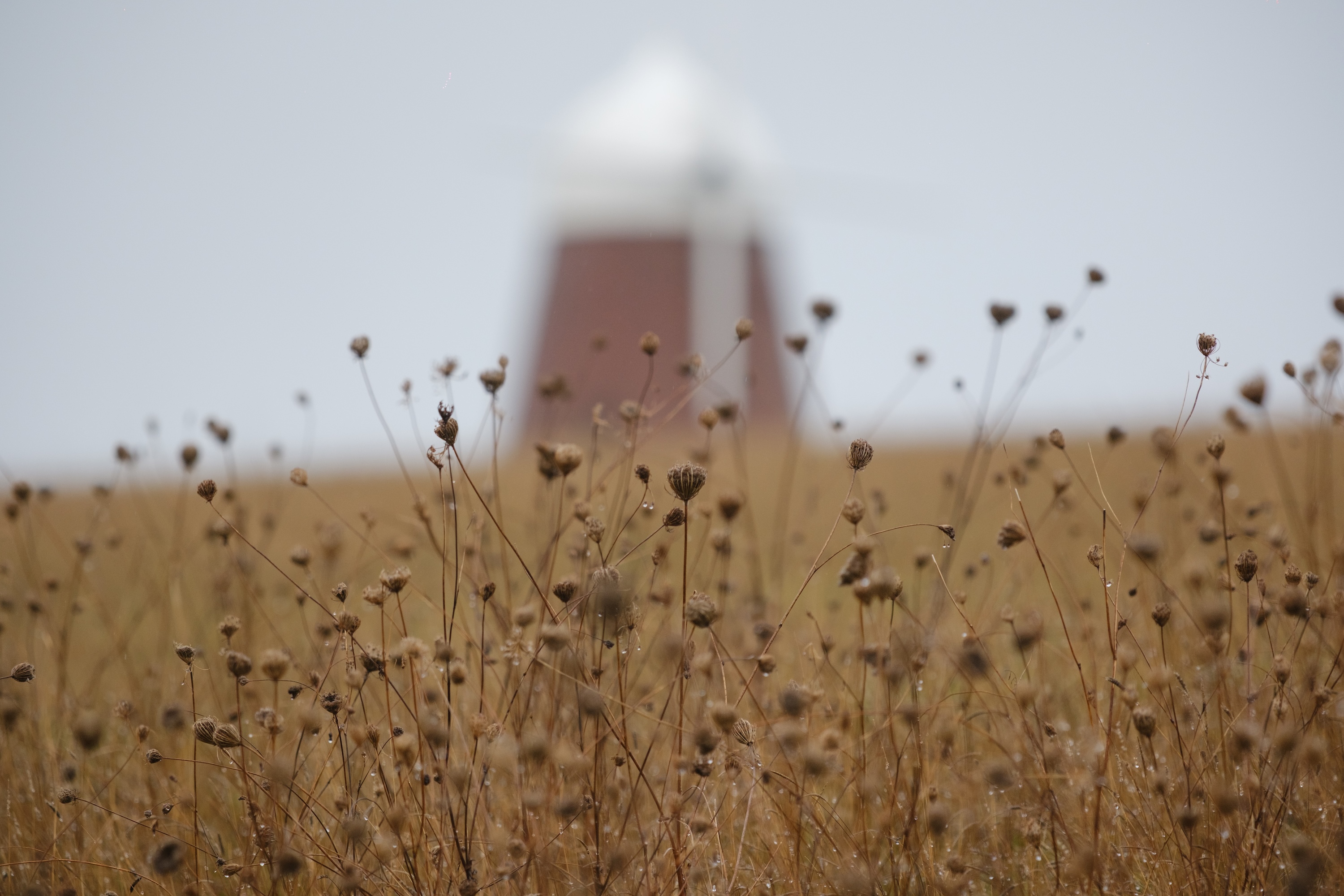
From mid-April through much of the summer, we had almost no rain – and several weeks of hot weather. When plants are hit by extreme heat, they put their energy into growing roots rather than shoots. Thanks to the diverse seed mixes we used, deep-rooted species such as clover and wild carrot thrived where a monoculture like ryegrass, whose roots go a short way down, may have failed.
Life finds a way
In June, we cut almost 400 tonnes of silage across the farm. The crop went to feed cattle off site, so that’s a win – but it also helped us here because removing the grass reduced nutrient levels in the soil.
In a conventional farming system, nutrients would be replenished with manure or fertiliser to encourage more growth. For us, the goal is the opposite, as we want to create conditions where wildflowers, not grass, flourish.
That then leads to wildlife returning, and the buzzing of insects and chirping of birds were audible signals of what is to come as the land continues to recover. Walking the farm in midsummer, it was clear just how quickly life returns when it’s given the chance.
Sometimes there are ‘happy accidents’
Protecting young trees through the dry summer was one of our biggest tasks. We planted 450 standards, which are saplings already around a metre and a half tall, and they need plenty of water in their first two years. From April to August, because of the extreme heat, they were under threat.
At one point we used a 20,000-litre tanker to water them which was hard and costly work, but losing the trees would have been far worse.
We did experience one unexpected saving grace. We had planted a clover and legume mix in the woodland to help stop grass competing with the young trees. The chicory in the mix grew so vigorously it smothered the tubes the trees were growing in, which worried us at first.
However, during the heatwave, it acted like a natural shade, protecting the saplings from scorching. While other estates reported losing up to 70% of their trees, we lost only around 5%. So, that happy accident turned into a big win!
Heading into winter and beyond
As autumn shifts into winter, the farm becomes a quieter place. Heavy machinery stays off the fields to protect soils and wildlife, and sheep take over the grazing. That doesn’t mean the work stops – there are always jobs to do, from repairing fences to keeping deer out and checking on the trees.
Next year will bring its own challenges and surprises. We’ll continue building resilience into the landscape, creating the right conditions for wildflowers to establish, grazing our sheep, and laying the groundwork for introducing cattle.
Most importantly, we’ll keep letting nature do what it does best – and we’ll be watching and learning as we go.
Follow Halnaker Hill Farm on LinkedIn and Instagram, or visit halnakerhill.co.uk to learn more about our work, including how to purchase our registered Biodiversity Net Gain (BNG) units.