July 8, 2026
Creating a new home for reptiles displaced by development
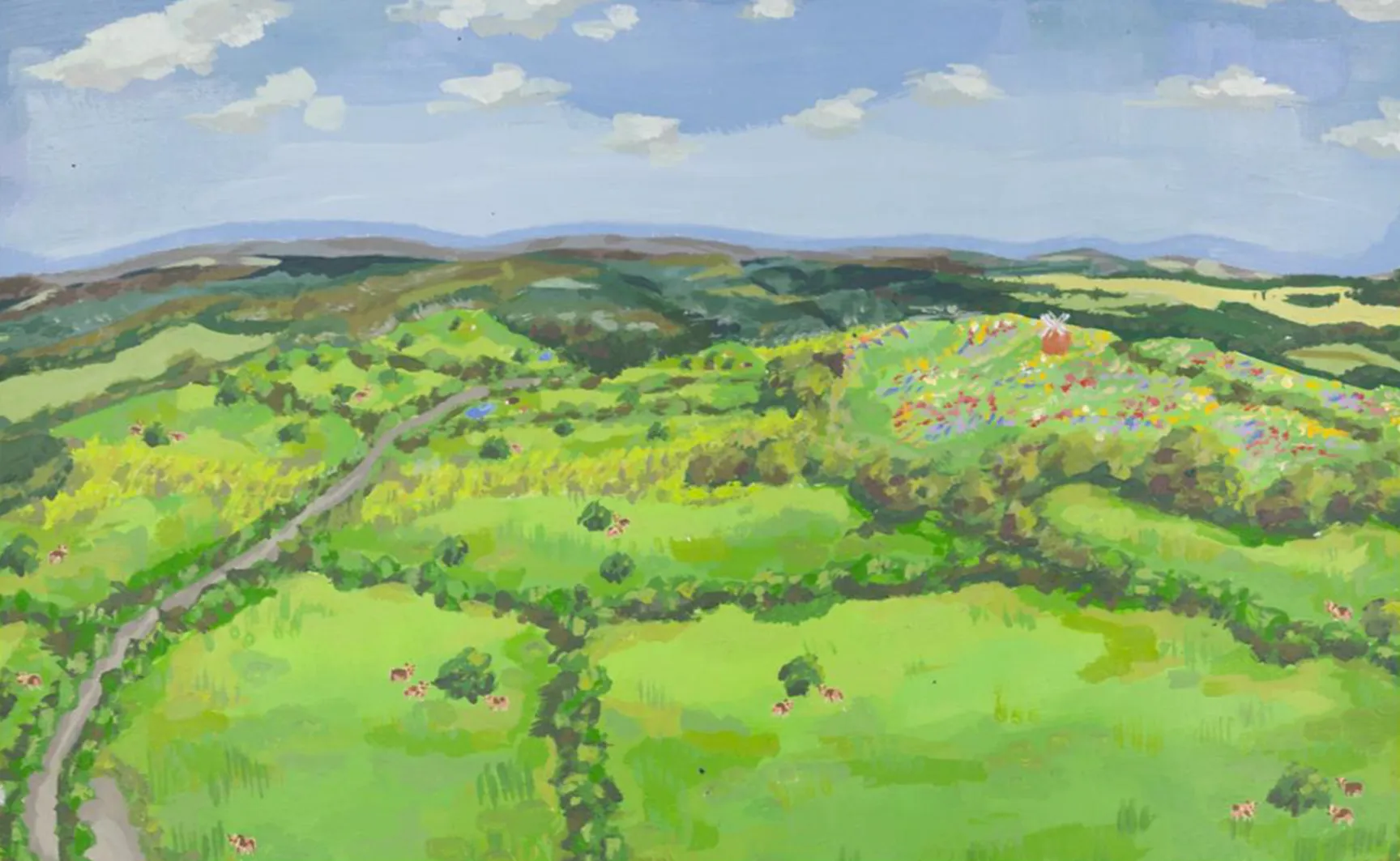
At Halnaker Hill Farm, we’re seeing a natural return of insects and birds who are finding their own way here, attracted by the work we’re doing to renature the site.
However, we also have the option of bringing in some species from elsewhere, including homeless reptiles.
This provides a service to developers who are hoping to build on sites where reptiles are present and are often required to safely move them as a condition of planning permission.
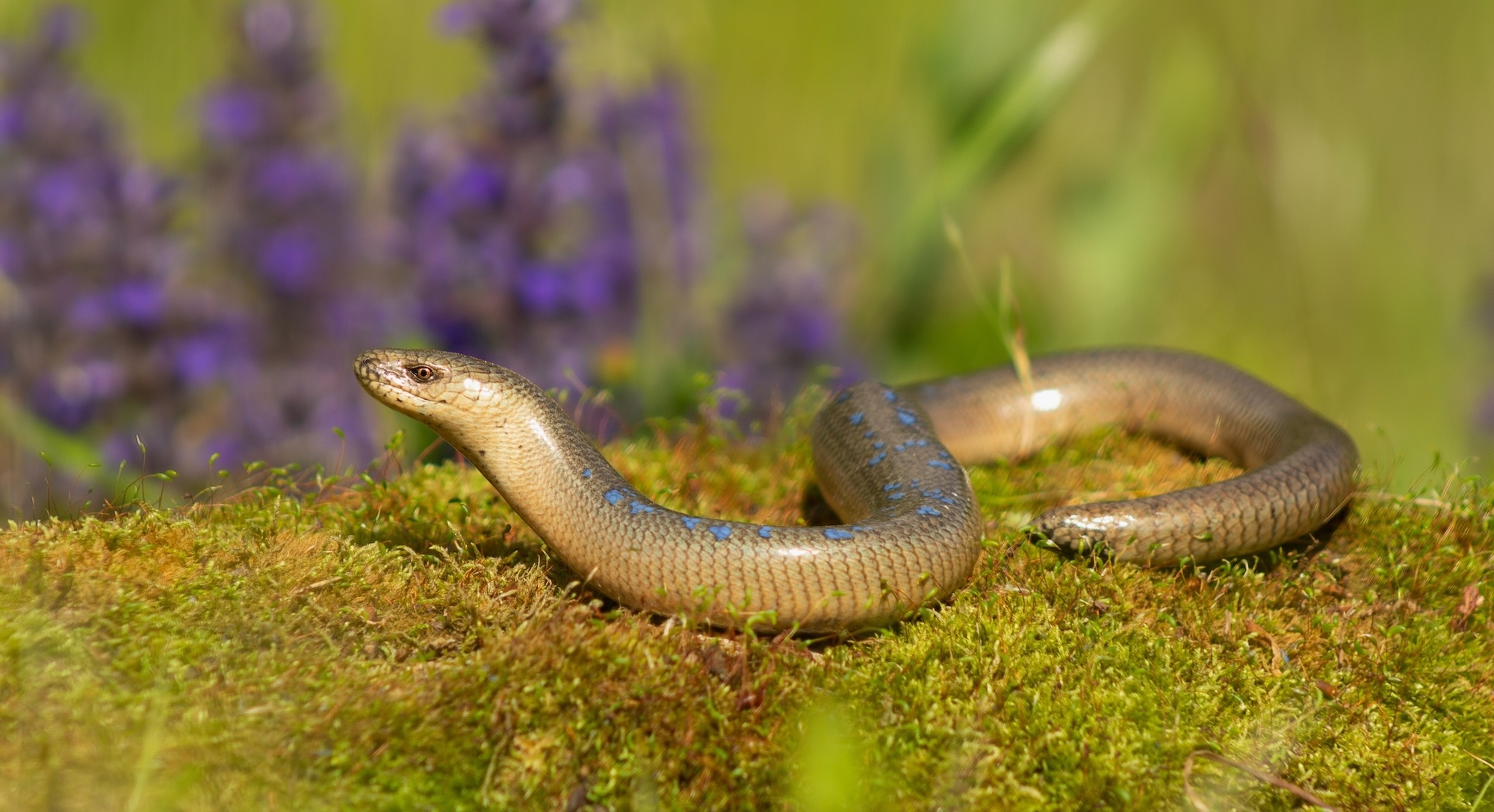
In those circumstances, our farm provides an ideal translocation site for species such as slow worms, common lizards, adders, and grass snakes. It has the right ingredients for reptiles to thrive including water, sunny areas, rough grass, and gravelly areas like open tracks where these fascinating creatures can bask.
We’re also laying the groundwork by providing shelters for reptiles to hide in, and felt mats to give them the option of basking in the sunshine. For the future, we plan to create additional gravel areas, log piles for hibernation, and sheltered zones.
Reptiles contribute hugely to the ecosystem, providing pest control by consuming insects and rodents, helping to disperse seeds, and cycling nutrients back into the soil.
Moving them is a time-consuming, labour-intensive and expensive process that involves monitoring the population, safely trapping them, and transporting them – so we don’t expect to be inundated with them.
However, along with the sale of Biodiversity Net Gain units to offset the impact of development, it’s another example of how our project can support developers in meeting their environmental obligations while increasing the biodiversity of our land.