November 24, 2026
Monitoring biodiversity – how we are tracking progress as nature returns to our farm
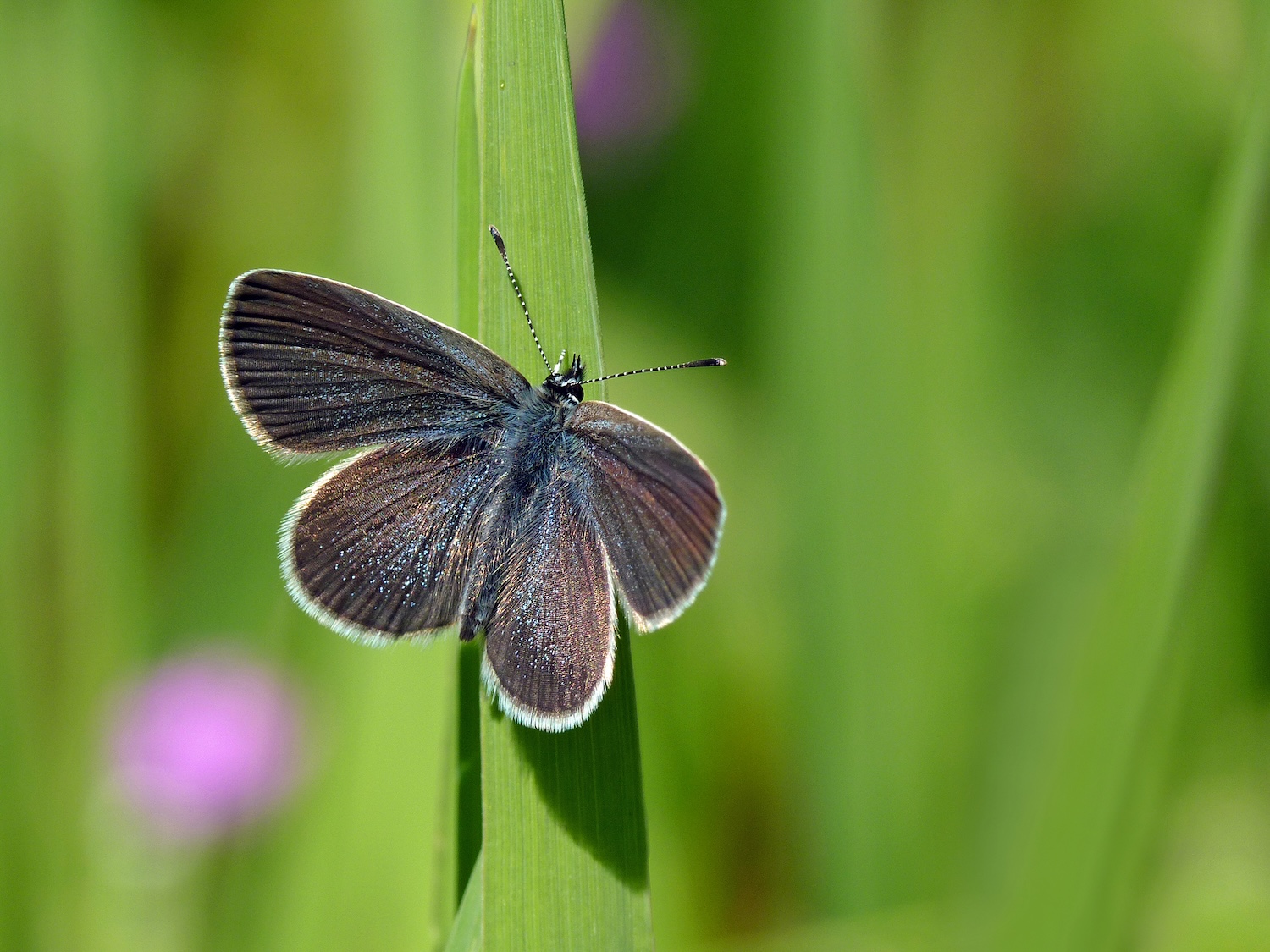
We see and hear the results of our nature restoration work every day as bees and butterflies return, birds sing in the hedgerows and wildflowers bloom.
As well as enjoying the results of our progress, we are legally required to take a formal approach to monitoring the return of nature, ensuring we are on track to deliver lasting biodiversity gains.
As a registered Biodiversity Net Gain (BNG) site, our farm must undergo regular BNG Habitat Monitoring Reports, required by the Department for Environment, Food and Rural Affairs (Defra) and as part of our registration of BNG units with Natural England.
Recorded evidence of biodiversity gains
The latest report, covering our second year of habitat restoration and undertaken by a Chartered Ecologist from the Ecology Co-op, provides an encouraging picture of how habitats across the farm are developing.
Active monitoring took place in late June 2026, allowing the ecologist to assess progress against our habitat management objectives.
The findings indicate that:
• All habitats are, by and large, progressing in line with expectations.
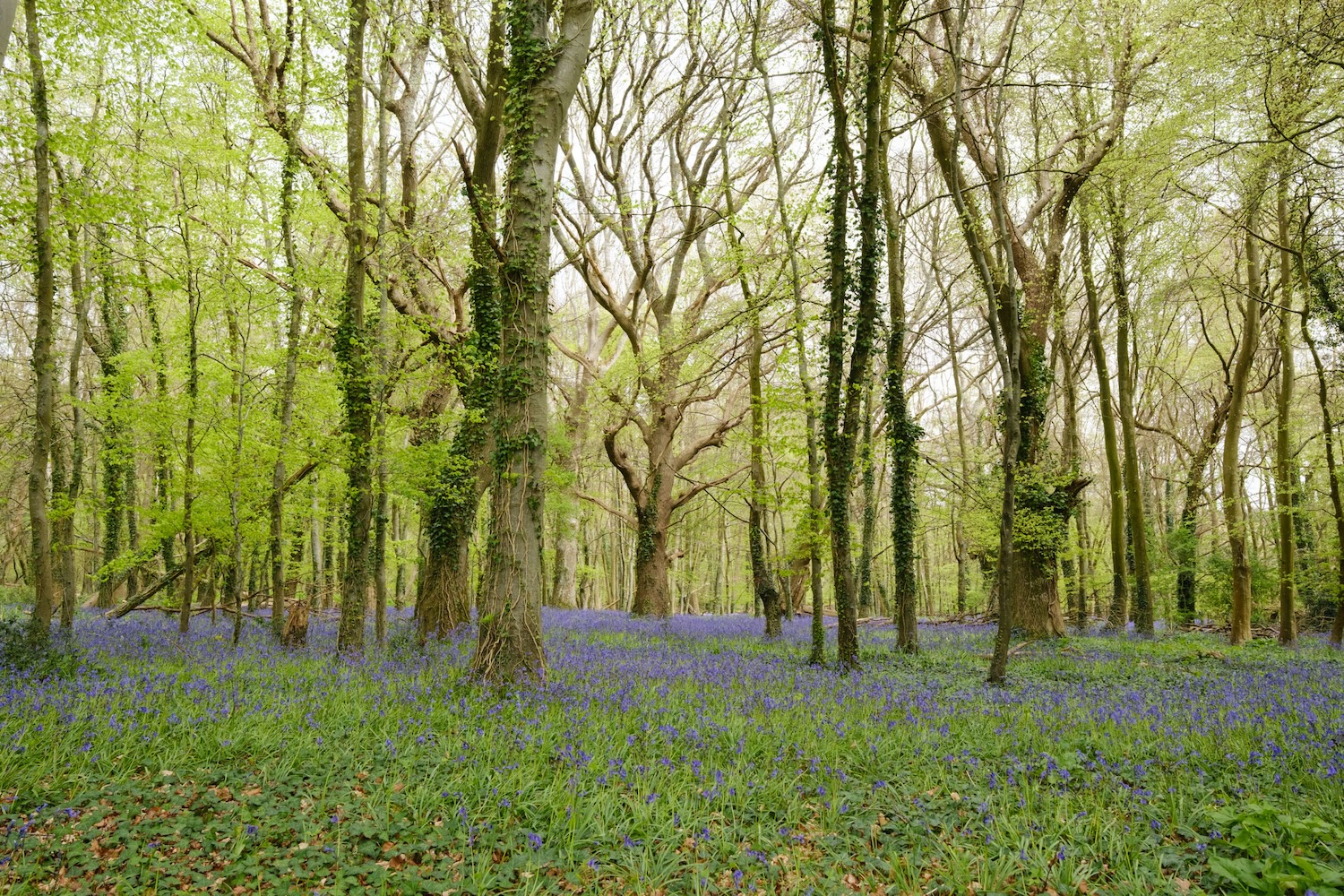
• Our tree saplings are healthy overall and showing good growth. Our decision to water them during drought conditions paid off – as initial counts suggest a low 3–5% mortality rate across both the woodland and individual tree stands on the farm.
• Habitat improvements have attracted additional wildlife, with three corn bunting territories recorded alongside a number of arable plants not previously documented at the site.
• No invasive non-native species have been recorded anywhere across the farm.
• Trees and hedgerows are thriving – sapling survival and health are strong, with more than 95% of hedgerow plants assessed as being in healthy condition.
• Both newly created ponds are showing good water quality, with relatively low levels of duckweed and algae.
Using the findings to guide future management
As well as identifying successes, regular assessment and reporting helps us shape our approach to habitat management as the project progresses.
We will be taking forward a number of recommendations, including:
• Making adaptations to one of the ponds to reduce nutrient inputs.
• Clearing selected areas of scrub to create more suitable conditions for wildlife.
• Increasing grazing in certain areas to introduce greater variation in sward heights, creating a wider range of conditions for different plant and animal species.
• Continuing to monitor the newly recorded corn bunting territories to track their progress.
Supporting biodiversity through BNG
Halnaker Hill Farm has created more than 850 registered Biodiversity Net Gain units, available to developers seeking to meet their BNG obligations, and to businesses and individuals who wish to invest in an environmental legacy.
To find out more about Biodiversity Net Gain at Halnaker Hill Farm, visit our BNG page.