October 19, 2026
Nationally important Small Blue and Dingy Skipper butterfly species found for the first time at Halnaker Hill Farm
Two nationally important types of butterfly have been recorded for the first time at Halnaker Hill Farm – including the UK’s tiniest species.
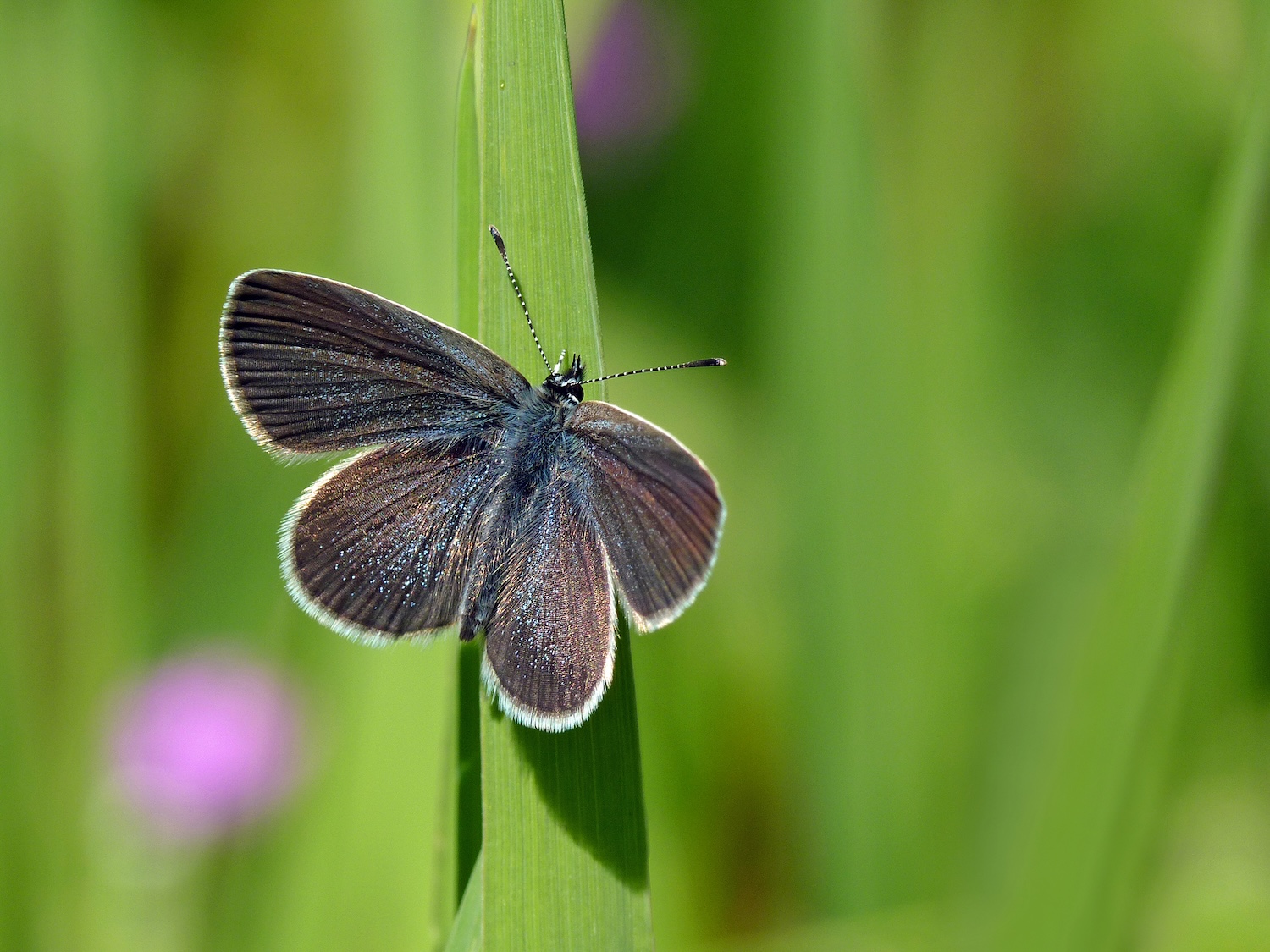
Surveys conducted at our farm found 85 Small Blue butterflies – the smallest species resident in the UK, which grows barely larger than an adult fingernail – and seven Dingy Skipper butterflies.
Both are designated species of principal importance under the Natural Environment and Rural Communities Act 2006 (NERC Act) and had never previously been recorded at the site.
The variety and abundance of butterflies is recognised by ecologists as an indicator of the overall biodiversity of a site. It is one of the measures being used by our team as we renature 330 acres of previously intensively farmed land into a landscape rich in flora and fauna.
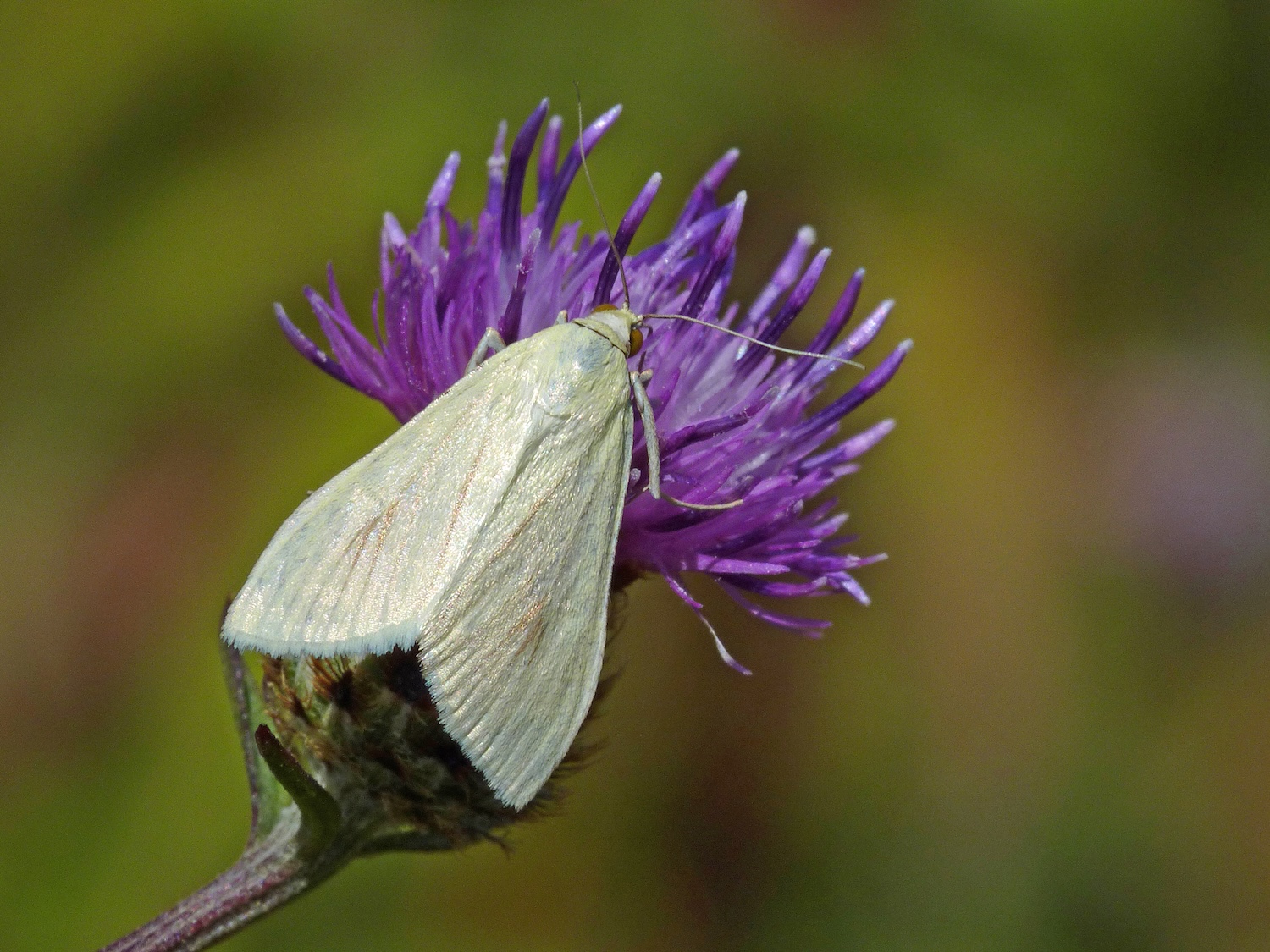
The survey also found 547 Small Heath butterflies, another species of principal importance under the NERC Act, which is known to have occurred at the farm previously, although in smaller numbers, and eight Sulphur Pearl moths – a highly localised species restricted to coastal areas of southern Britain and usually observed in ones and twos.
In total, 5,290 individual butterflies representing 28 species were recorded at Halnaker in 2026 through three main surveys conducted in May, June and July, alongside 127 additional counts.
These data clearly indicate how rapidly and spectacularly the rich mosaic of habitat types at Halnaker Hill Farm has developed, in terms of its ecological value, at a remarkably early stage in the project.
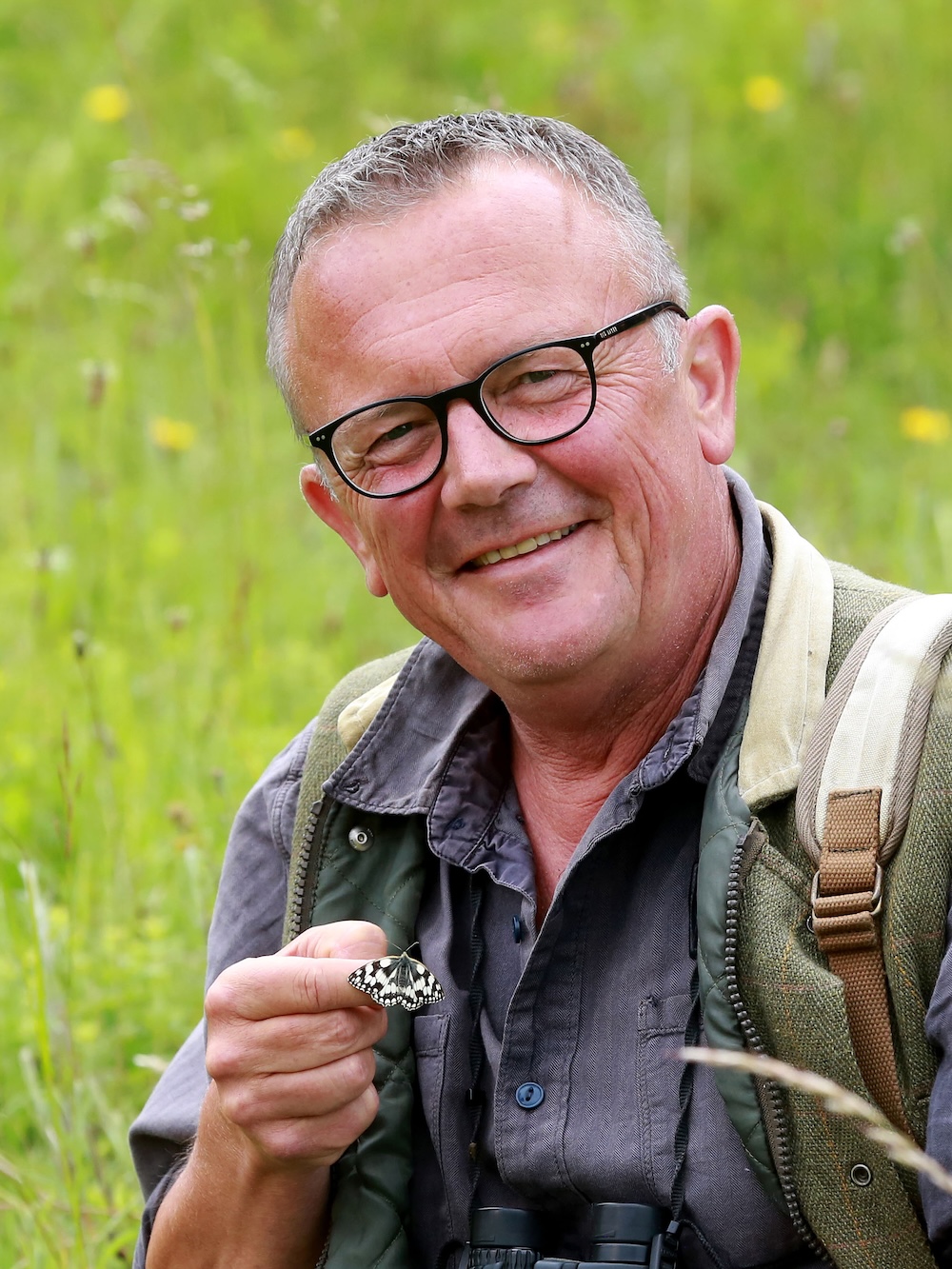
The surveys were carried out by renowned butterfly expert and conservationist Neil Hulme, who works with a range of organisations including the South Downs National Park Authority and the charity Butterfly Conservation.
Neil said: “During the two summer surveys, I was surrounded by clouds of butterflies from the moment I left the car, and they erupted from my feet over the more productive parts of my long walks. It's hard to believe that this has happened in just a couple of years; our project shows what's possible if nature is given a chance."
The team at Halnaker Hill Farm have been working closely with consultants at the South Downs National Park Authority, which is leading an inspiring “ReNature” programme across the region to help fight biodiversity loss and adapt to a changing climate. Our farm has more than 650 Biodiversity Net Gain (BNG) units available for purchase by developers, businesses and individuals.
Nick Heasman, Head of Natural Capital for the South Downs National Park, said: “The results of this wildlife survey are extraordinary and it’s exciting to see nature bouncing back at this beautiful site.
“It’s been wonderful to work with the team at Halnaker Hill to bring about real, positive change, demonstrating that BNG can make a big difference for nature and this survey proves that. Just two years ago this was largely an arable landscape – showing how quickly nature can bounce back, given space, time, and love.”
To find out more about our BNG units see here.