August 10, 2026
Learning from the land: Why having a plan is not enough
Will Atkinson, Agri-Environment Consultant to Halnaker Hill Farm, describes how our team is constantly adapting as the landscape returns to nature.
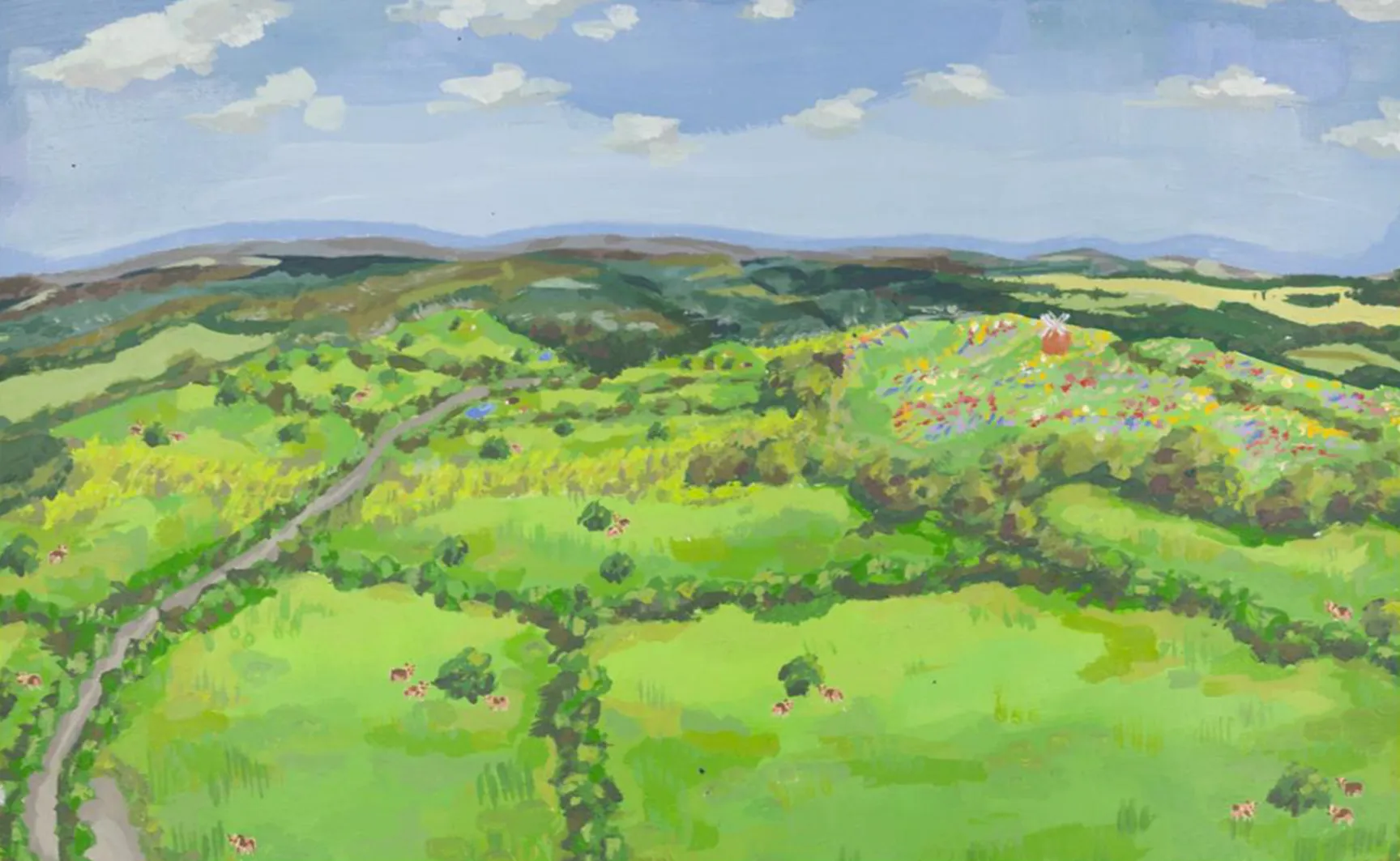
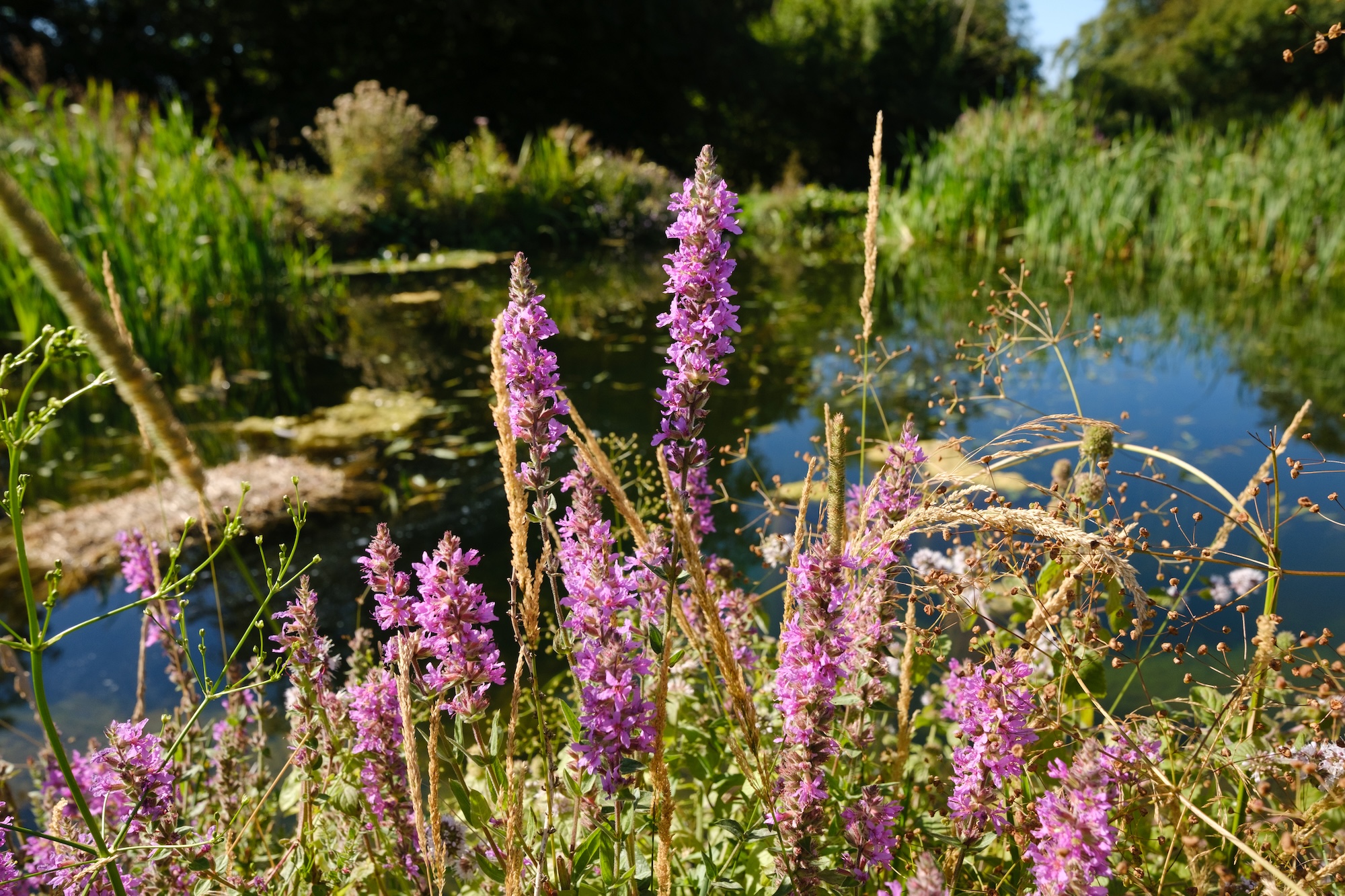
Every pond, hedgerow, fence and wildflower meadow at Halnaker Hill Farm has been carefully planned to provide the maximum possible benefit for nature.
But not everything fits neatly into a schedule – nature can be unpredictable, so responding to the unexpected is just as important as having a plan.
We watch, learn and adapt our approach as we go. For example, we may decide to graze a field more intensively to encourage certain species, while leaving another undisturbed. We might discover that an area we expected to thrive needs further intervention, while somewhere we paid little attention to suddenly bursts into life.
Every passing season gives us more information to work with, and the list of management decisions grows all the time because the farm itself is constantly telling us what it needs.
Of course, the great British weather is a huge factor that has to be taken into account, especially as climate change makes long-term planning increasingly difficult. We have already experienced scorching summers, prolonged periods of heavy rainfall and sharp cold snaps – and that’s just in the first two years.
These are the kinds of events that land managers have to adapt to, even though they can’t control them. Building a diverse landscape builds resilience, as different species respond in their own way to changing conditions. The more varied the ecosystem becomes, the greater its capacity to cope with uncertainty over the years and decades to come.
One thing is for sure – we are always learning!