June 30, 2026
Nature’s landscape managers: how sheep, cattle and pigs help us manage the land
Managing a biodiversity project like ours takes a team – and not all of its members are human!
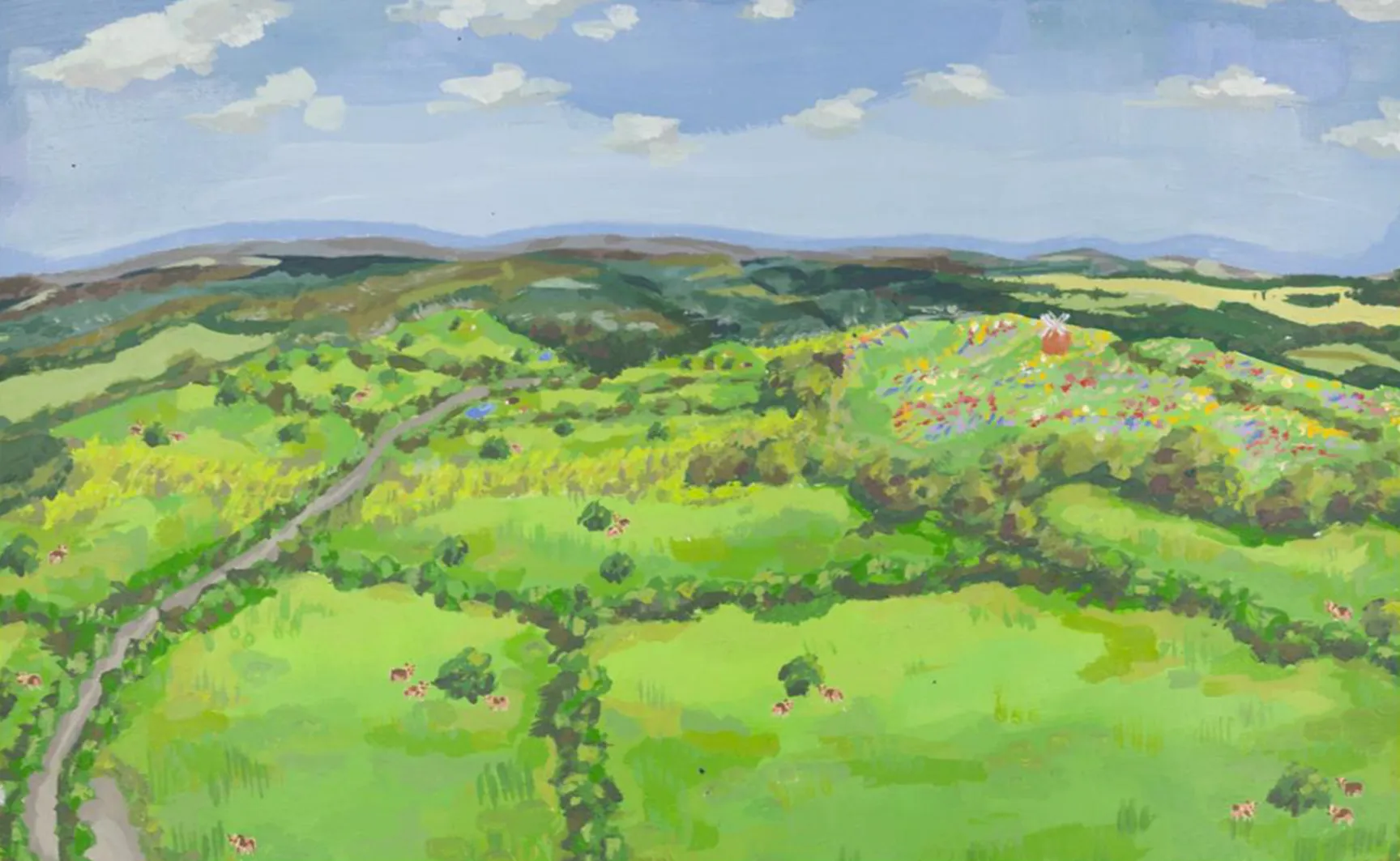
As we return Halnaker Hill Farm to nature after decades of intensive agriculture, we are aiming to achieve results as naturally as possible. The natural behaviours of sheep, cattle and pigs all have a vital role to play.
Over winter and spring, sheep have been moved on and off the land as part of a carefully managed grazing programme. At one point, a flock of 800 were grazing at the farm, and we were overjoyed to welcome lambs from our small Wiltshire Horn flock this spring.
Sheep grazing is carefully controlled by our team to produce the desired effect, with defined areas grazed individually for around a week before the flock is moved on.
The aim is not simply to eat the grass, but to thin it out overall. Without grazing, a thick layer of thatch can build up, smothering delicate wildflowers. During the winter months, grazing is taken right down, almost like a snooker table. This creates the conditions wildflowers need later in the year, allowing more light to reach the ground and creating gaps where seeds can establish as temperatures rise.
Because our farm has different kinds of grass, sheep alone are not the only members of our animal workforce. While sheep graze evenly, eating vegetation down to a consistent height, cattle are more selective, using their tongues to pull and tear grass. Grazing sheep and cattle together creates a varied structure of longer and shorter patches – a mosaic of habitats that is highly beneficial for biodiversity, supporting a wider range of plants, insects and ground-nesting birds.
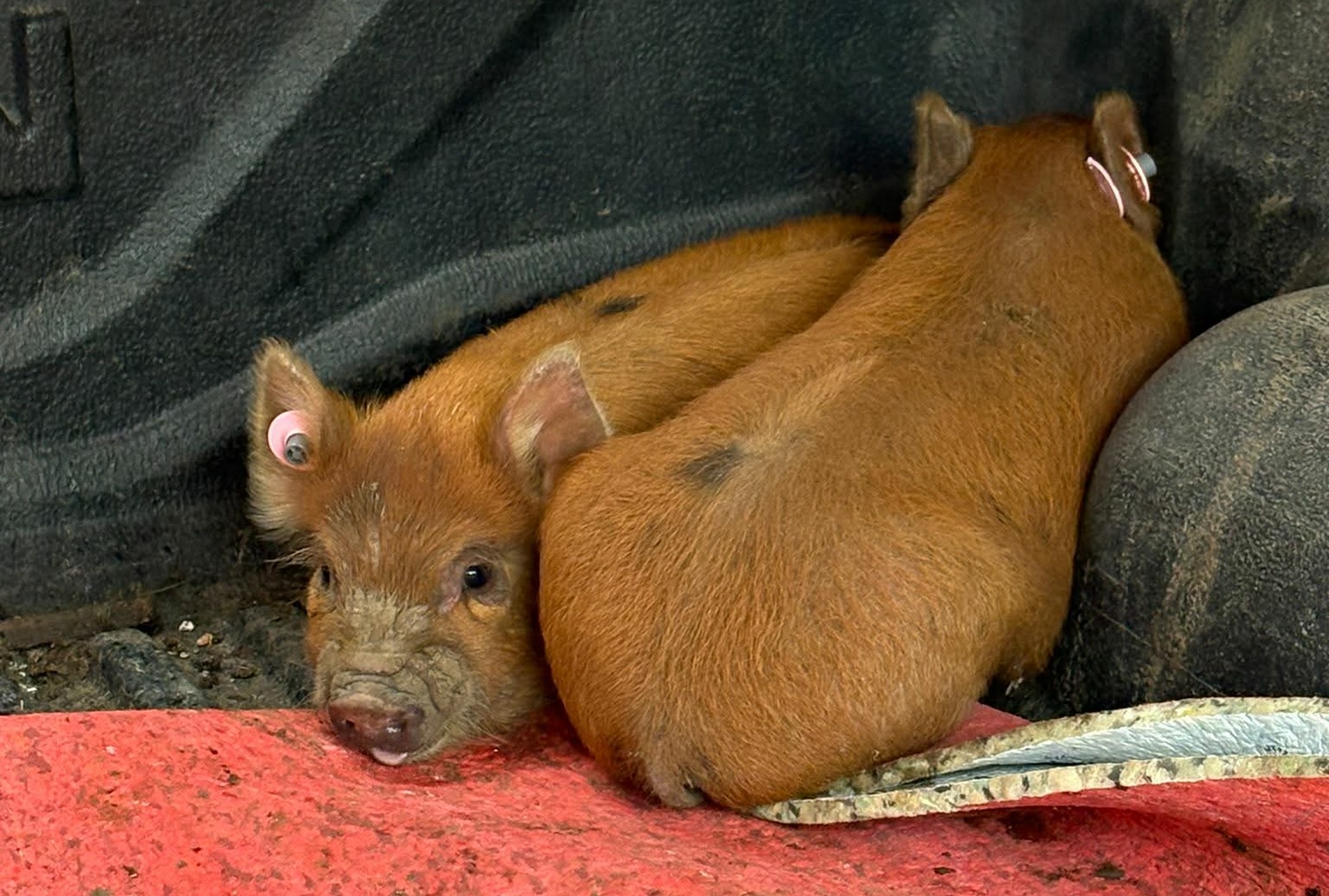
Finally, our Kune Kune pigs, a New Zealand breed, are a more recent addition to the farm, but they also have an important job to do.
They are highly effective natural land managers, acting as living rototillers, weed controllers and soil enrichers. Through their instinctive rooting behaviour, they break up topsoil and expose the ground to light, helping native seeds germinate and encouraging natural regeneration.
Together, these animals help maintain nature’s delicate balance while reducing the need for mechanical intervention. You could say they are doing a natural job of gardening - helping to create the conditions for wildlife to flourish for generations to come.